Selhurst station emergency cleaning services for commuters: a practical guide for fast, calm clean-ups
If you commute through Selhurst station, you already know how one small mess can turn into a proper headache. A spilt coffee on the platform, mud tracked into a carriage, a blocked walkway after a wet morning, or an unpleasant smell in a shared waiting space can make the whole journey feel off. That is where Selhurst station emergency cleaning services for commuters come in: a rapid, practical response that helps keep the station usable, safer, and more comfortable for everyone passing through.
This guide explains what emergency station cleaning really involves, how it works in a commuter setting, when it makes sense to act quickly, and what to look for if you need a responsive cleaning team. We will also cover best practice, compliance, common mistakes, and a useful checklist so you can think clearly when time is tight. Because let's face it, nobody wants to be making decisions in a rush while holding a lukewarm paper cup and watching the clock.
Why Selhurst station emergency cleaning services for commuters Matters
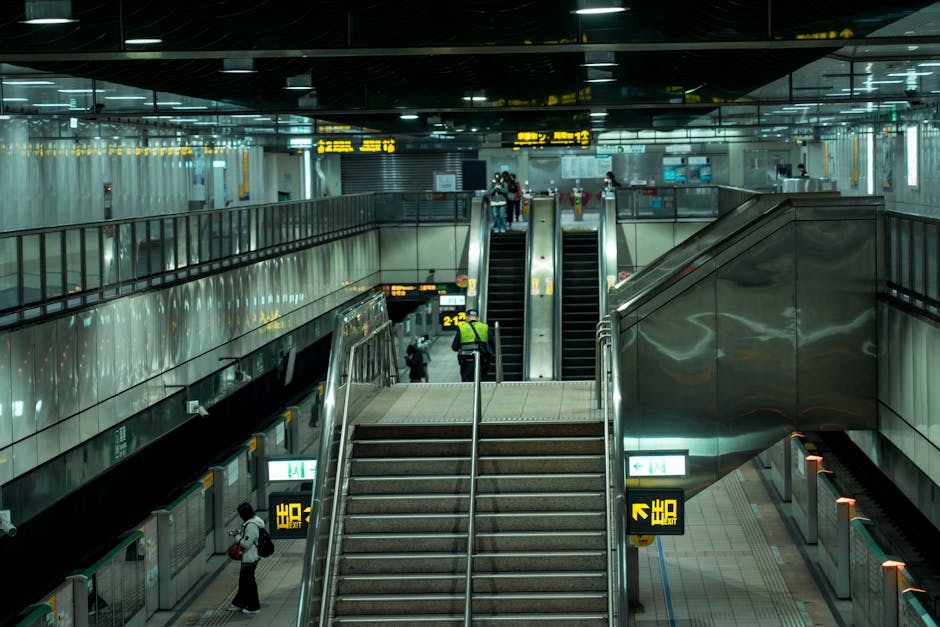
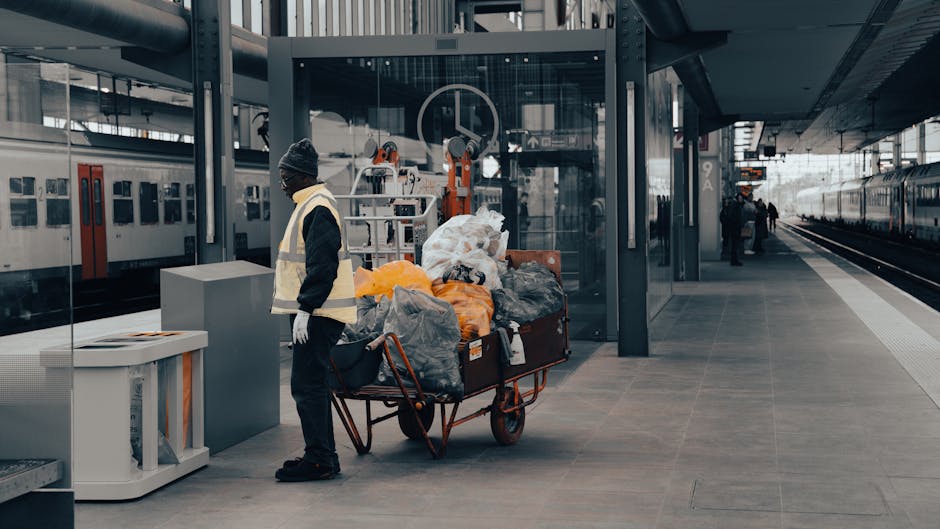
Train stations are busy, fast-moving environments. People are arriving, leaving, changing platforms, checking timetables, carrying bags, pushing prams, and trying not to miss the train. In that kind of setting, even a small spill can become a bigger issue quickly. A drink on a floor can spread. A patch of grease or grime can become a slip hazard. A bad smell in a waiting area can linger and affect how the whole place feels. Not dramatic, just true.
Emergency cleaning matters because commuter spaces need to recover fast. Unlike a domestic clean, the aim is not simply to make the area look better. It is to get the space back into safe, usable condition with minimal disruption. That usually means quick risk assessment, the right cleaning method for the material, and a tidy finish that does not create fresh hazards such as wet flooring, overspray, or strong chemical smells.
For commuters, this is about more than cleanliness. It is about confidence. If you step into a station and see clear floors, fresh surfaces, and no obvious mess, the whole experience feels better. That might sound obvious, but in a morning rush, the atmosphere matters. One untidy corner can make a place feel neglected. One prompt response can make it feel cared for.
For station managers, operations teams, and nearby businesses, the stakes are practical too. A rapid clean-up can help reduce complaints, support duty-of-care expectations, and prevent a minor incident from becoming an avoidable disruption. If the issue is broader than a one-off spill, services such as commercial carpet cleaning or targeted stain removal may also be relevant once the immediate problem is under control.
How Selhurst station emergency cleaning services for commuters Works
Emergency cleaning for a station is usually organised around urgency, safety, and access. A good response team does not just arrive with a few cloths and a hopeful expression. There is a process, and it matters.
First comes the call-out or request. The cleaner or coordinator needs to understand what happened, where it happened, how large the affected area is, what surface is involved, and whether there are any immediate risks. A spilled soft drink on a hard floor is very different from vomit on a carpeted section, or a greasy patch on a tiled entrance. Same station, very different job.
Then comes the assessment. The team decides what equipment, chemicals, and drying approach to use. In a commuter setting, the response should be as non-disruptive as possible. That usually means portable equipment, quick containment, visible cautioning, and cleaning methods that suit footfall and timing. If an area is heavily soiled or the issue has spread into fabrics, a more thorough process may follow later using specialist services such as steam carpet cleaning or upholstery cleaning.
After that, the practical work begins: absorb, treat, lift, sanitise where appropriate, and dry. That sequence sounds simple, but timing and technique are everything. Use too much liquid and you can push the mess deeper into fibres. Use the wrong product and you can set the stain or damage the surface. A decent emergency cleaner knows when to blot, when to extract, and when to stop trying to "improve" a problem that is already under control.
Finally, there is the check-back. The area should be inspected to make sure it is safe, not slippery, and free from residue or odour. In a station environment, that final stage is honestly one of the most overlooked parts. A floor that looks clean but still feels tacky underfoot is not really finished.
Key Benefits and Practical Advantages
Emergency cleaning at Selhurst station is useful because it solves immediate problems while protecting the bigger commuter experience. The benefits are simple, but they add up fast.
- Reduced slip and trip risk: wet patches, food spills, and tracked-in mud can be dealt with before they cause accidents.
- Less disruption: quick work helps keep entrances, platforms, and waiting areas functioning normally.
- Better first impressions: commuters notice cleanliness instantly, even if they do not say so out loud.
- Odour control: unpleasant smells from drinks, food, waste, or pet-related accidents can be removed more effectively when treated quickly.
- Protection of surfaces: the faster a stain is treated, the less chance it has of becoming permanent.
- Improved confidence: people feel more comfortable using well-maintained public spaces.
There is also a quieter benefit: staff morale. A clean station is simply easier to work in. When regular teams are not battling the same mess all day, the whole shift tends to go better. It sounds small. It is not small.
If the incident involves larger public-facing soft furnishings or mats, services like rug cleaning and sofa cleaning may be relevant where they fit the station's waiting or staff areas. For more embedded dirt, a standard vacuum alone usually will not cut it. Truth be told, a vacuum is great, but it is not a magician.
Who This Is For and When It Makes Sense
Selhurst station emergency cleaning services for commuters are not just for one type of incident. They suit a wide range of real-world situations, and some are more common than people expect.
This service is useful for:
- commuters who report a spill or mess and need it handled quickly
- station staff who need a responsive clean-up before foot traffic increases
- facilities managers who want a reliable call-out option for sudden incidents
- transport-linked premises with carpets, upholstery, curtains, or soft seating
- small businesses near the station that need fast help after a customer accident
- property managers responsible for shared commuter-facing spaces
It makes sense when the mess is time-sensitive, visible, odorous, or potentially hazardous. Think wet flooring near a doorway, food dropped on carpet, stains on waiting-area seating, or a dirty patch that keeps getting walked into more and more. If a stain is fresh, the odds of a clean result are usually better. If it has been ground in by fifty pairs of shoes, well, you are making life harder for everyone.
Emergency cleaning also makes sense after busy periods: a delayed service that leaves crowds waiting, a rainy commute when mud gets everywhere, or an evening rush where rubbish bins and touchpoints take a beating. In these cases, quick intervention can prevent one issue from becoming a chain reaction of mess.
Step-by-Step Guidance
If you need to respond to a cleaning incident around Selhurst station, a clear process helps. The goal is to act quickly without making things worse.
- Identify the issue clearly. Is it a spill, stain, odour, broken food waste, muddy footfall, or something that needs more careful handling?
- Make the area safe first. If there is a wet floor, block access or direct people around it before anything else.
- Contain the mess. Use absorbent materials, signage, or temporary barriers so the problem does not spread.
- Choose the right treatment. Hard floors, carpet, upholstery, and fabric surfaces all need different methods.
- Clean from the outside in. This helps avoid pushing the stain further out or into the material.
- Remove residue properly. Leftover product can attract more dirt or leave a sticky finish.
- Dry the area. Faster drying means less risk of slips, smells, or re-soiling.
- Inspect the result. Check under light, at the edges, and at floor level. A clean-looking patch can still hide a problem.
In more delicate cases, such as a stained seat, a soft furnishing, or an odour issue that keeps returning, it is often better to use a specialist method later rather than overwork the material on the spot. A sensible approach now saves frustration later.
For routine follow-up care, it can help to pair emergency response with more detailed treatments like carpet cleaning and pet stain odour removal where appropriate. That way the immediate issue is handled, then the deeper clean takes care of what remains.
Expert Tips for Better Results
Good emergency cleaning is usually about judgement. Not everything needs brute force. Sometimes the smartest move is the gentlest one.
What tends to work best in commuter spaces:
- Act early. Fresh spills are easier to manage than dried, ground-in residue.
- Use the least aggressive method that will do the job. Over-wetting is a common mistake, especially on carpet.
- Work with the material, not against it. Fibres, seams, grout lines, and textured flooring behave differently.
- Keep drying in mind from the start. Fast clean-up is no use if the surface stays slippery for an hour.
- Choose low-disruption products. Harsh odours can be a problem in enclosed or busy spaces.
- Document recurring spots. If the same area keeps getting dirty, there may be a layout or usage issue to solve.
In our experience, one of the best habits is simply this: solve the visible problem, then look for the hidden one. A patch of mess near a bin might point to overfilled waste or poor placement. Mud in one doorway might mean drainage or matting needs attention. Small clues matter. They really do.
If the area contains soft furnishings, regular deep maintenance using curtain cleaning or mattress cleaning may also help in staff accommodation or private-use spaces nearby, though not every station will need those services. Use what fits the site, not a one-size-fits-all approach.
Common Mistakes to Avoid
When a mess happens under time pressure, people often do the nearest thing that seems helpful. Fair enough. But a few common mistakes can turn a manageable issue into a larger one.
- Using too much water. This can spread stains and slow drying.
- Scrubbing hard. That often pushes the contamination deeper into fibres or scratches surfaces.
- Leaving residue behind. Sticky detergent attracts dirt and makes the area dirty again faster.
- Ignoring odour. If the smell remains, the problem usually is not fully solved.
- Forgetting to isolate the area. More foot traffic can embed the mess further before it is treated.
- Assuming all stains are the same. Food, drink, grease, organic matter, and ink all need different handling.
One slightly funny but true point: the "quick wipe" that seems fine in the moment is often the one that later turns into a shadow stain. It happens all the time. The floor looks okay, you move on, and then the mark reappears like it has a vendetta.
Another issue is speed without communication. If multiple staff members are involved, make sure one person is clearly responsible for the incident. Otherwise you can end up with three people doing half the same job and nobody checking the finish. Not ideal, to say the least.
Tools, Resources and Recommendations
You do not need a warehouse full of equipment to handle an emergency clean, but the right basic tools help enormously. The exact kit depends on the surface and incident, yet a practical station response set often includes:
- absorbent cloths or paper
- non-slip warning signage
- gloves and basic protective gear
- safe, surface-appropriate detergents
- spot-cleaning applicators
- microfibre cloths
- wet extraction or portable cleaning equipment where suitable
- odour-neutralising products for suitable surfaces
- drying aids such as air movement where appropriate
For service planning, it is also helpful to know which provider pages match which type of work. For example, if a station has soft seating or fabric-heavy communal areas, upholstery cleaning may be more relevant than a general wipe-down. If the issue is a stubborn mark on a carpeted waiting area, steam carpet cleaning can be a strong follow-up option when the surface and timing allow it.
When the concern is broader commercial upkeep rather than a single emergency, it can be useful to look at service information such as pricing and quotes, especially if you are comparing routine maintenance against urgent call-outs. And for trust signals, practical details around insurance and safety matter a great deal in public-facing settings.
Law, Compliance, Standards, or Best Practice
Any cleaning work in a station environment should be approached with care around safety, access, and basic compliance expectations. In the UK, workplaces and public-access environments typically need to consider health and safety duties, the control of slip risks, safe use of cleaning products, and clear communication around temporary hazards. Exact responsibilities depend on the site and arrangement, so it is wise to stay cautious and avoid overclaiming what one procedure covers.
Best practice usually includes:
- keeping walkways safe and clearly signposted during cleaning
- using products appropriately and following manufacturer guidance
- avoiding unnecessary disruption to passengers
- protecting workers and the public from exposure to wet floors or harsh residues
- recording incidents where required by site procedure
- using insured and trained contractors for higher-risk or larger-scale tasks
If a response team works in public space, their approach should also reflect the station's own operational rules and any site-specific access controls. It is sensible to check provider information such as health and safety policy and terms and conditions before commissioning work, because public-facing clean-ups are rarely just about the cleaning. They are about timing, responsibility, and access too.
For organisations that value wider ethical and operational standards, pages like about us, privacy policy, and recycling and sustainability can also be useful in showing how the provider handles service, data, and waste responsibly.
Options, Methods, or Comparison Table
Different emergencies call for different responses. Below is a simple comparison to help you think through the options without overcomplicating things.
| Method | Best for | Strengths | Watch-outs |
|---|---|---|---|
| Spot cleaning | Fresh small spills on hard floors or manageable carpet marks | Fast, targeted, low disruption | Can leave residue or spread the stain if done poorly |
| Absorb and dry | Wet patches and spill containment | Simple, immediate, helps reduce slip risk | Does not solve deeper staining on its own |
| Steam or hot-water extraction | Carpets and some fabric surfaces with embedded dirt | Better deep-clean outcome, useful for lingering soil | Needs drying time and correct surface suitability |
| Specialist stain treatment | Food, drink, grease, or organic marks | More precise than general cleaning | Wrong chemistry can damage the material |
| Scheduled deep clean | Repeated issues or heavily used commuter spaces | Improves long-term appearance and hygiene | Less immediate if you need an instant fix |
For many commuter-facing spaces, the right answer is not one method but a sequence: quick containment now, deeper restoration later. That tends to be the most practical route, especially when footfall is high and timing is awkward.
Case Study or Real-World Example
Picture a wet weekday morning at Selhurst. The platform is busy, umbrellas are dripping, and someone spills a takeaway coffee near a waiting area just as the next train is due. People start stepping around it, then through it, and within a minute the patch is wider than it first looked. Nothing dramatic, but messy enough to be noticed.
The immediate response is simple: mark the area, stop further spread, and remove the liquid before it reaches a porous surface. If the spill is on a carpeted section or a fabric seat, the cleaner uses the lightest effective method first, then follows up with a more detailed treatment if needed. If the smell lingers, odour treatment may be added later rather than forcing extra product into the fibre straight away.
In a second scenario, consider a station-side waiting area with a stubborn muddy footprint trail after a rainy evening. The visible marks lift, but the dullness remains in the fibres. That is the point where a more thorough service, such as carpet cleaning, becomes useful. Emergency response handles the moment; routine maintenance restores the finish. Both matter.
What this shows is that fast cleaning is not just about appearances. It is about keeping the station usable while protecting the larger cleaning plan. One quick response. Then a sensible follow-through. Nothing fancy, just good practice.
Practical Checklist
Use this checklist when a station-side cleaning issue needs attention. It keeps things simple when the pressure is on.
- Identify the exact location of the mess
- Confirm the type of spill or contamination
- Block access if there is any slip or trip risk
- Select the right cleaning method for the surface
- Use only suitable products for carpet, fabric, or hard flooring
- Remove as much liquid or residue as possible
- Dry the area properly
- Check for lingering odour or staining
- Log recurring problems if the same spot keeps getting dirty
- Arrange follow-up deep cleaning where needed
If you are comparing service options for ongoing upkeep, it may also help to review pricing and quotes before deciding whether the issue needs an emergency call-out or a more routine visit. And if you want to understand how the company approaches client care, the complaints procedure is worth reviewing too. Not because you expect problems, but because transparent processes are reassuring.
Conclusion
Selhurst station emergency cleaning services for commuters are about more than removing a stain or mopping a floor. They help restore order quickly, protect safety, and keep a busy station feeling usable and cared for. In a place where hundreds or thousands of journeys can pass through each day, that really does matter.
The best responses are calm, practical, and efficient. They focus on the right method, the right timing, and the right follow-up. If you remember anything from this guide, let it be this: act early, choose the correct treatment, and do not ignore the drying and finish. That is where good cleaning turns into dependable cleaning.
Get a free quote today and see how much you can save.
And if you are still weighing up the next step, keep it simple. A quick, sensible response today can spare a lot of bother tomorrow. That is a relief for commuters, staff, and anyone who just wants to get home in one piece.
Frequently Asked Questions
What are Selhurst station emergency cleaning services for commuters?
They are rapid-response cleaning services designed to deal with spills, stains, odours, and hygiene issues in or around commuter-facing areas at Selhurst station. The emphasis is on speed, safety, and minimal disruption.
How quickly should a station spill be cleaned?
As quickly as possible. Fresh spills are easier to control and less likely to become slip hazards or permanent stains. The first priority is always safety, then clean-up, then drying.
Can emergency cleaning handle both hard floors and carpets?
Yes, but the method should match the surface. Hard floors, carpet, upholstery, and other fabrics all need different products and techniques. Using the wrong approach can make the issue worse.
What kinds of incidents usually need urgent cleaning?
Common examples include drink spills, muddy footprints, food waste, unpleasant odours, wet patches near entrances, and marks on seating or carpets that are likely to spread or be noticed quickly.
Is emergency cleaning only for one-off accidents?
No. It can also help with repeated problem spots, especially where commuter traffic keeps causing the same mess. In those cases, emergency cleaning and routine maintenance often work best together.
Does emergency cleaning always mean deep cleaning?
Not necessarily. Sometimes a fast spot-clean and drying process is enough. Other times, a deeper follow-up like steam carpet cleaning or stain treatment is needed once the immediate hazard has been dealt with.
How do I know whether a stain can be removed completely?
It depends on the material, the stain type, and how long it has been there. Fresh stains are usually easier to treat. Old, dried-in marks may improve significantly without disappearing entirely.
Why is drying so important after emergency cleaning?
Because a surface that is still damp can remain unsafe, attract more dirt, or produce a lingering smell. Fast drying is a key part of the job, not an optional extra.
Are cleaning products in station areas safe for commuters?
They should be chosen and used carefully, with attention to ventilation, suitable dilution, and surface compatibility. In public spaces, low-disruption and appropriate use matter more than strong-smelling products.
What should I ask before booking a cleaner for a station area?
Ask about response time, surface experience, insurance, safety procedures, drying expectations, and whether they have worked in public or commercial environments before. Useful information beats vague promises every time.
Can cleaning help reduce odours as well as visible dirt?
Yes. Odours often come from residues left behind in fibres or porous surfaces. Cleaning the source and treating the material properly is usually more effective than masking the smell.
What if the same area keeps getting dirty?
That usually means there is a bigger issue, such as layout, matting, waste placement, or traffic flow. A recurring mess is a clue worth paying attention to, not just a repeat nuisance.
Where can I find more information about service standards and company policies?
Helpful starting points include about us, health and safety policy, and insurance and safety, which together give a clearer picture of how the service is run.